
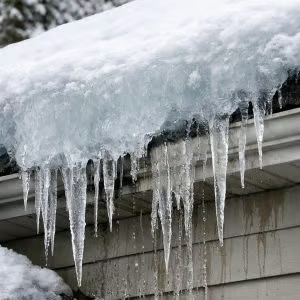
After nearly two feet of snow across Massachusetts, ice dams are making an unwelcome return. For anyone who lived through the winter of 2015, this feels familiar—and not in a good way. As snow piles up on roofs and temperatures swing above and below freezing, water has nowhere to go… except into your house.
And yes—our phones are already ringing.
What Is an Ice Dam?
An ice dam forms when:
-
Heat escapes from your home and melts snow on the roof
-
Melted water runs down toward the colder roof edge
-
The water refreezes at the eaves, forming a dam
-
Additional melting snow backs up behind it
That backed-up water can then:
-
Seep under shingles
-
Enter walls, ceilings, and insulation
-
Cause interior water damage, mold, and ruined finishes
At that point, the damage is already done.
Is Ice Dam Damage Covered by Home Insurance?
The good news:
Most standard Massachusetts homeowners insurance policies do cover damage caused by ice dams—specifically the resulting water damage to the interior of the home.
The not-so-good news:
-
Your policy deductible will apply
-
You’ll likely lose your loss-free discount at renewal
-
Coverage applies to the damage, not fixing the underlying cause
In other words: insurance helps you recover, but it doesn’t prevent the problem.
What Insurance Doesn’t Do
This is a common misconception, so it’s worth being clear.
Insurance companies:
-
❌ Will not remove snow or ice from your roof
-
❌ Will not send someone up with a pick axe or heat cables
-
❌ Will not redesign your roof or insulation
Instead, they expect homeowners to:
-
Take reasonable steps to prevent further damage
-
Hire qualified professionals to address the ice and make repairs
Failure to mitigate can make a bad situation worse—and complicate a claim.
What To Do If You Suspect an Ice Dam
If you’re seeing water stains, dripping, or bulging ceilings:
-
Call your insurance agent early
We can help you understand coverage before things escalate. -
Document the damage
Take photos and videos of stains, leaks, and affected areas. -
Stop the water if possible
Safely placing buckets or creating drainage channels can help limit damage. -
Hire a professional
Look for licensed roofers or ice-dam removal specialists. Avoid DIY roof work—it’s dangerous and often ineffective. -
Keep receipts
Emergency mitigation costs are often reimbursable.
Preventing Ice Dams Going Forward
While no home is immune, prevention goes a long way:
-
Improve attic insulation and ventilation
-
Seal air leaks that allow heat to escape
-
Remove heavy snow from roofs after major storms
-
Consider professional evaluation if ice dams are recurring
Many homeowners don’t realize that ice dams are often a building science issue, not a roofing defect.
We’ve Been Here Before—and We’re Here to Help
Ice dams are stressful, messy, and disruptive—but they’re also something we deal with every winter in Massachusetts. If you’re worried, seeing signs of damage, or just want to understand how your policy responds, give us a call.
A quick conversation now can save a lot of frustration later.