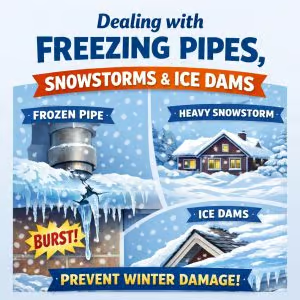
Winter Storm Alert

Winter Storm Alert: With a significant snowstorm and extreme cold in the forecast, now is the perfect time to protect our homes and businesses from winter weather damage.


In an attempt to stay ahead of common cold weather risks such as frozen pipes, ice dams and more, we offer:

Freezing Weather Preparation Tips

Consider sharing the following reminders with our customers:

  • Keep thermostat settings consistent – never below 55°F
  • Open cabinet doors to allow warm air to circulate around pipes
  • Let faucets drip slowly during extreme cold
  • Insulate exposed pipes in basements, garages, and crawlspaces
  • Know where the main water shut off valve is located
  • Clear snow and ice from roof edges to help minimize ice dams

Ice Dams

An ice dam is an accumulation of ice at the lower edge of a sloped roof, usually at the gutter. When interior heat melts the snow on the roof, the water will run down and refreeze at the roof’s edge, where temperatures are much cooler. Eventually, the ice builds up and blocks water from draining off of the roof. This, in turn, forces the water under the roof covering and into your attic or down the inside walls of your house. Once an ice dam forms, the potential damage can be serious.

Taking the following steps will decrease the likelihood that ice dams will form or, at least, will reduce their severity.

  • Keep the attic well ventilated. The colder the attic, the less melting and refreezing on the roof.
  • Keep the attic floor well insulated to minimize the amount of heat rising through the attic from within the house.

As an extra precaution against roof leaks in case ice dams do form, install a water repellent membrane under your roof covering.

Unfortunately, ice dams may be unavoidable if your home has recessed lighting near the roof. Heat generated from these lights melts snow which then contributes to ice dam buildup. The only sure way to avoid this problem is to eliminate recessed light fixtures near the roof.

Freezing Pipes

Frozen water in pipes can cause water pressure buildup between the ice blockage and the closed faucet at the end of a pipe which leads to pipes bursting at their weakest point. Pipes in attics, crawl spaces and outside walls are particularly vulnerable to freezing in extremely cold weather. Holes in outside walls for TV, cable or telephone lines allow cold air to enter the house.

To keep water in pipes from freezing, take the following precautions:

  • Fit exposed pipes with insulation sleeves or wrapping to slow the heat transfer. The more insulation the better.
  • Seal cracks and holes in outside walls and foundations near water pipes with caulking
  • Keep cabinet doors open during cold spells to allow warm air to circulate around pipes, particularly in the kitchen and bathroom.
  • Keep a slow trickle of water flowing through faucets connected to pipes that run through an unheated or unprotected space. Drain the water system especially if your house will be unattended during cold periods.

Ice Dams


Preventing Ice Dams

The formation of ice dams is a result of the interaction between heat escaping from inside a building and the cold exterior temperatures. This warm air rises to the attic, warming the roof deck and causing the snow on its surface to melt. As the melted water flows down towards the colder eaves, it refreezes, forming an ice dam that traps water behind it. This trapped water can eventually leak into the attic and interior of the building, causing costly damage.

Debunking Common Myths About Ice Dams

Myth 1: Ice Dams Only Form on Roofs with Poor Insulation

Reality: While poor insulation can contribute, ice dams may form on any roof, regardless of insulation quality. The key factor is uneven roof temperatures, which can be influenced by various factors, including the architecture of the building and external weather conditions.

Myth 2: Gutters Cause Ice Dams

Reality: Gutters do not cause ice dams. Ice dams form when snow melts on a warm roof and refreezes at the colder roof edge. However, clogged gutters can exacerbate the problem by trapping melting snow and water, providing a foundation for ice to build upon.

Myth 3: Icicles Indicate Ice Dams

Reality: While icicles may be a symptom of ice dams, they are not a definitive indicator. Icicles can form independently of ice dams in many cases. However, large icicles hanging over gutters can sometimes be a sign of underlying ice dams.

Myth 4: Chipping Away Ice Dams is a Safe Solution

Reality: Attempting to physically remove ice dams can be hazardous and may cause damage to the roof. Instead, recommending the use of calcium chloride ice melt or professional removal services is safer and more effective.

Myth 5: Ice Dams are Only a Cold Climate Problem

Reality: While more common in colder climates, ice dams can occur in any region experiencing snowfall and fluctuating temperatures. Properties in regions with less frequent snowfall may be more at risk due to a lack of preparedness and awareness.

Myth 6: A New Roof Will Prevent Ice Dams

Reality: Even new roofs can succumb to ice dams if the underlying causes are not addressed. Proper attic insulation and ventilation are helping in discouraging ice dams, not just the age or condition of the roof.

Understanding these misconceptions is the first step in effective ice dam management. By knowing what not to do, you can focus on guiding your clients toward the right preventive measures and solutions, as recommended by experts like Quaker Special Risk.

Proactive Measures to Prevent Ice Dams

1. Enhance Insulation and Ventilation

Improving attic insulation and ventilation prevents the uneven melting and refreezing of snow on the roof, which is a critical step in winter home safety. Ensure that the attic floor is air-sealed to prevent heat from escaping and that adequate insulation maintains a consistent roof temperature.

2. Regular Roof Maintenance and Inspection

Regularly inspecting and maintaining the roof can identify and rectify potential issues that might exacerbate ice dam formation. This includes clearing debris from gutters and downspouts and ensuring the roof is in good repair before winter.

3. Utilize Roofing Techniques and Materials

Consider installing snow and ice shields on the roof, especially in areas prone to heavy snowfall. These materials provide an additional layer of protection against water damage.


(Article shared by Quaker Special Risk)

The Dreaded Ice Dams

Ice Dams


You can help prevent serious damage to both the roof and inside of your home by minimizing the likelihood that ice dams will develop, and by removing one as soon as you spot it. Ice dams can form when water from melting snow re-freezes at the edge of your roofline. Without roof snow removal, an ice dam may grow large enough to prevent water from draining off the roof. This water can then back up underneath roof shingles and make its way into your home.

How to Help Prevent Ice Dams from Forming:

  • Remove snow from your roof after every storm. To begin with, use a roof rake to clear snow from the edge of your roof upwards of three to four feet immediately after each storm. In addition to helping prevent an ice dam from forming, this will lessen the stress on your home’s roof. The amount of snow and ice your roof can support will depend on a number of factors, including the roof type and the age and condition of the structure. But a good rule to keep in mind is if more than a foot of heavy, wet snow and ice has accumulated on your roof, you should have it removed.
  • Clear downspouts. An easy way to help snow and ice drain off your roof is to make sure the area around your downspouts is clear. This can help prevent standing water from collecting near the gutter downspout.

How Do You Know if You Have Ice Dams?

  • Look carefully at the icicles around the exterior of your house. If they are confined to the gutters and there is no water trapped behind them, then an ice dam has likely not formed. Nonetheless, icicles can pose a danger to people when they fall off, so try to safely knock them down while standing on the ground, making sure not to stand directly beneath them. If you cannot safely reach them from the ground, consider hiring a contractor to help.
  • Check for water stains or moisture in the attic or around the tops of exterior walls on the top floor of your house. Stains and moisture may indicate that an ice dam has formed and water has penetrated the roof membrane.

How to Remove Ice Dams:

  • Melt the ice dams. Fill a nylon stocking with calcium chloride ice melt, and place it vertically across the ice dam so that it melts a channel through the dam. If you try this, make sure you can safely position the ice melt on your roof, and make sure to use calcium chloride, not rock salt. Rock salt will damage your roof. Also, be aware that shrubbery and plants near the gutters or downspouts may be damaged.
  • Get professional help. If you cannot safely reach the roof, avoid using a ladder in snowy and icy conditions. Consider hiring a contractor to remove the ice dam.

Long-term Tips for Preventing Ice Dams:

  • Insulate your attic. Make sure your attic is well insulated to help prevent the melting-and-freezing cycle that causes ice dams to form. Check and seal places where warm air could leak from your house to the attic, including vent pipes, exhaust fans, chimneys, attic hatches and light fixtures.
  • Install a water-repellent membrane. When replacing a roof, make sure to install a water repellent membrane underneath the shingles. This acts as an extra barrier that helps prevent water from seeping inside the building.

Tips for removing ice dams

You can help prevent serious damage to both the roof and inside of your home by minimizing the likelihood that an ice dam will develop, and by removing one as soon as you spot it …

MA Home Insurance Ice Dams

The Travelers, one of our partner companies, recently published the following information about ice dams:

You can help prevent serious damage to both the roof and inside of your home by minimizing the likelihood that an ice dam will develop, and by removing one as soon as you spot it. Ice dams can form when water from melting snow re-freezes at the edge of your roofline. Without roof snow removal, an ice dam may grow large enough to prevent water from draining off the roof. This water can then back up underneath roof shingles and make its way into your home.

How to Help Prevent an Ice Dam from Forming:

  • Remove snow from your roof after every storm. To begin with, use a roof rake to clear snow from the edge of your roof upwards of three to four feet immediately after each storm. In addition to helping prevent an ice dam from forming, this will lessen the stress on your home’s roof. The amount of snow and ice your roof can support will depend on a number of factors, including the roof type and the age and condition of the structure. But a good rule to keep in mind is if more than a foot of heavy, wet snow and ice has accumulated on your roof, you should have it removed.
  • Clear downspouts. An easy way to help snow and ice drain off your roof is to make sure the area around your downspouts is clear. This can help prevent standing water from collecting near the gutter downspout.

How Do You Know if You Have an Ice Dam?

  • Look carefully at the icicles around the exterior of your house. If they are confined to the gutters and there is no water trapped behind them, then an ice dam has likely not formed. Nonetheless, icicles can pose a danger to people when they fall off, so try to safely knock them down while standing on the ground, making sure not to stand directly beneath them. If you cannot safely reach them from the ground, consider hiring a contractor to help.
  • Check for water stains or moisture in the attic or around the tops of exterior walls on the top floor of your house. Stains and moisture may indicate that an ice dam has formed and water has penetrated the roof membrane.

How to Remove an Ice Dam:

  • Melt the ice dam. Fill a nylon stocking with calcium chloride ice melt, and place it vertically across the ice dam so that it melts a channel through the dam. If you try this, make sure you can safely position the ice melt on your roof, and make sure to use calcium chloride, not rock salt. Rock salt will damage your roof. Also, be aware that shrubbery and plants near the gutters or downspouts may be damaged.
  • Get professional help. If you cannot safely reach the roof, avoid using a ladder in snowy and icy conditions. Consider hiring a contractor to remove the ice dam.

Long-term Tips for Preventing Ice Dams:

  • Insulate your attic. Make sure your attic is well insulated to help prevent the melting-and-freezing cycle that causes ice dams to form. Check and seal places where warm air could leak from your house to the attic, including vent pipes, exhaust fans, chimneys, attic hatches and light fixtures.
  • Install a water-repellent membrane. When replacing a roof, make sure to install a water repellent membrane underneath the shingles. This acts as an extra barrier that helps prevent water from seeping inside the building.

Ice Dam Prevention Tips

Claims are no fun. One of the most common and repetitive causes of property damage to building interiors is water damage resulting from the formation of ice dams on roofs. Following please find some ice dam prevention tips:

Ice Dam Prevention Tips

Claims are no fun.

One of the most common and repetitive causes of property damage to building interiors is water damage resulting from the formation of ice dams on roofs. An ice dam is a ridge of ice that forms at the edge of a roof and prevents the water produced by melting snow from draining off the roof. The water that backs up behind the dam can leak into a home causing damage to walls, ceilings, and insulation.

While ice dams can develop as a result of multiple factors, the most fundamental causes are:

  • Heat leakage from the interior of the building into attic or loft areas that warms the middle and upper areas of roof decks (see causes of heat leakage below).
  • Snow accumulation on the roof surface which provides the potential for snow melt and re-freezing in the form of an ice dam. This problem can be amplified by lower pitched roofs.
  • Sustained exterior temperatures below 32 degrees which creates conditions under which snow melt water will re-freeze at the eave level of the roof.

Heat leakage can result from any number of factors common to residential properties:

  • An insufficient layer of insulation in the ceiling assembly below the attic or loft area as well as uninsulated or poorly insulated exterior walls.
  • Impoperly insultated recessed ceiling lighting fixtures.
  • Improperly sealed and insulated ventilation fans, heating and air conditioning ducts and plumbing vent stacks.

Strategies for avoiding water damage from ice dams take two forms; those that are intended to prevent the formation of ice dams and those that are designed to provide a reliable means for roof surface snow melt water to drain off the roof to prevent water accumulation behind the ice dam.

Prevent the Formation of Ice Dams

  • Provide soffit and ridge ventilation to create and sustain a flow of cold air along the bottom surface of the roof deck.
  • Increase the thickness of insulation in the ceiiling assembly below the attic or loft area.

Protect Your Property From Ice Dam Water Damage!

Claims are no fun. Vermont Mutual Insurance Company released a helpful advisory to help Massachusetts homeowners Protect Your Property From Ice Dam Water Damage …

Prevent Ice Dam Water Damage

Claims are no fun.

Vermont Mutual Insurance Company released a helpful advisory to help Massachusetts homeowners Protect Your Property From Ice Dam Water Damage:

One of the most common and repetitive causes of property damage to building interiors is water damage resulting from the formation of ice dams on roofs. An ice dam is a ridge of ice that forms at the edge of a roof and prevents the water produced by melting snow from draining off the roof. The water that backs up behind the dam can leak into a home causing damage to walls, ceilings, and insulation.

While ice dams can develop as a result of multiple factors, the most fundamental causes are:

  • Heat leakage from the interior of the building into attic or loft areas that warms the middle and upper areas of roof decks (see causes of heat leakage below).
  • Snow accumulation on the roof surface which provides the potential for snow melt and re-freezing in the form of an ice dam. This problem can be amplified by lower pitched roofs.
  • Sustained exterior temperatures below 32 degrees which creates conditions under which snow melt water will re-freeze at the eave level of the roof.

Heat leakage can result from any number of factors common to residential properties:

  • An insufficient layer of insulation in the ceiling assembly below the attic or loft area as well as uninsulated or poorly insulated exterior walls.
  • Impoperly insultated recessed ceiling lighting fixtures.
  • Improperly sealed and insulated ventilation fans, heating and air conditioning ducts and plumbing vent stacks.

Strategies for avoiding water damage from ice dams take two forms; those that are intended to prevent the formation of ice dams and those that are designed to provide a reliable means for roof surface snow melt water to drain off the roof to prevent water accumulation behind the ice dam.

Prevent the Formation of Ice Dams

  • Provide soffit and ridge ventilation to create and sustain a flow of cold air along the bottom surface of the roof deck.
  • Increase the thickness of insulation in the ceiiling assembly below the attic or loft area.

Dreaded Ice Dams

Nobody likes them and they’re not a lot of fun, but they keep coming and coming.

The Dreaded Ice Dams!

Fortunately, they are preventable!

Ice dams are caused by the build up of ice and snow on your roof. Melting and re-freezing contributes to more snow and ice building up.

Watch for ice dams near gutter downspouts.

Keep gutters free of leaves and debris so melting snow and ice can flow freely.

Ice dams can cause water to build up and seep into your house destroying walls, floors and personal property.